

Latest Events

The Versatility of Advanced Confocal Microscopy for Complex Biological Samples

Reducing Lab Energy Waste: Real Steps, Real Savings

A DNA-Based Toolkit for Spatial Molecular Analysis

When the Job Stops Fitting: Mid-career Pressure, Change, and Getting Back to You
On Demand Events


Latest Articles

How to Build a Data Review Workflow in Waters’ Empower™ Software
A chromatogram in a report and a chromatogram in Empower™ look identical, but only one can be interrogated. This article outlines four placement decisions for your critical review items, plus how to build the list, document the workflow, and test whether it actually detects anything.
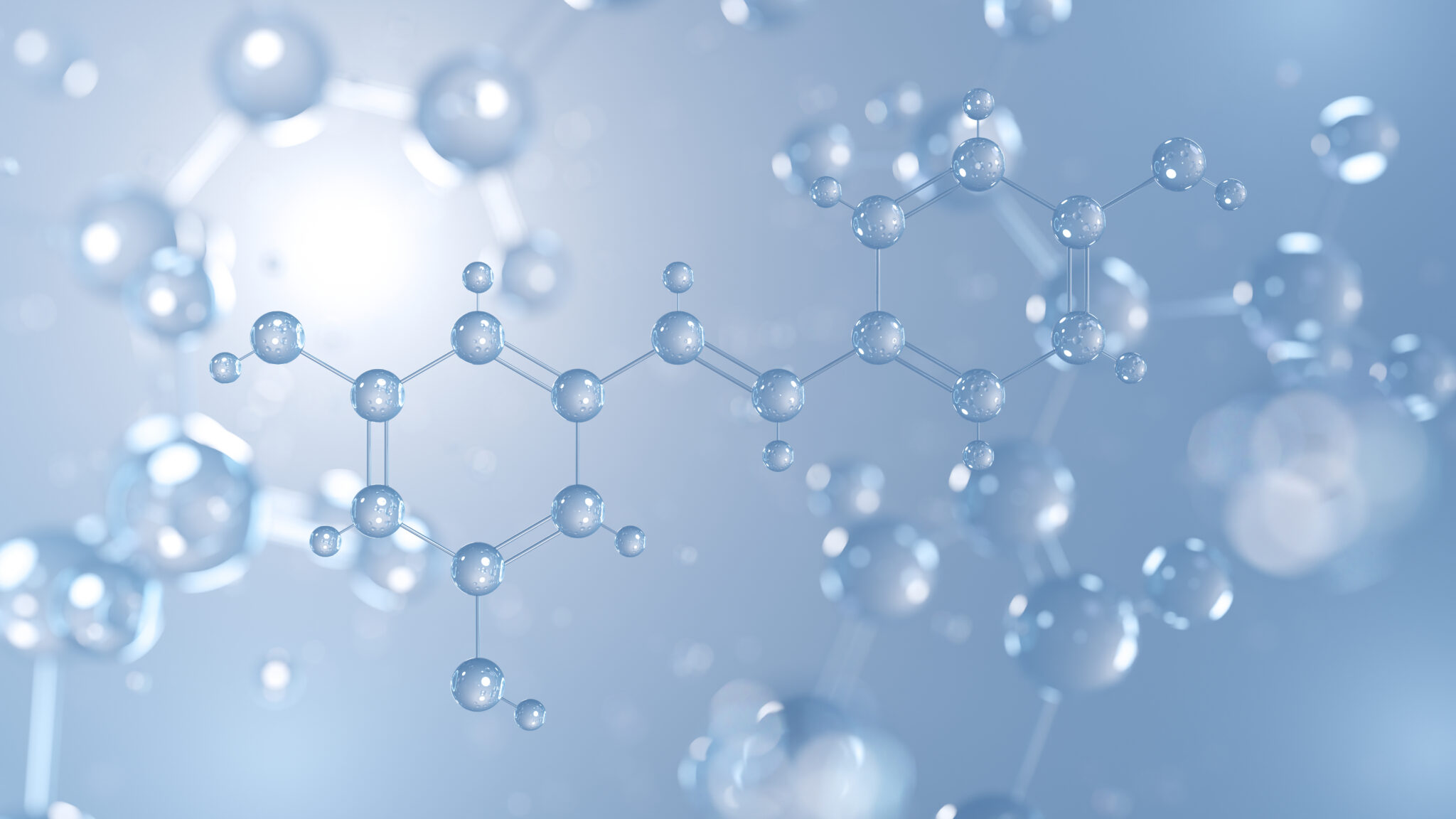
PCR inhibition can hide behind apparently acceptable QC results, especially in polyphenolic-rich samples like soil, wastewater, plant, and fecal extracts. Partial inhibition may delay Ct values, reduce sensitivity, and cause false negatives without complete reaction failure. Dilution testing can reveal inhibition, but targeted inhibitor removal is often needed to preserve low-abundance targets.

Experiments that never seem to end often start with questions that are too open-ended. Learn how to adapt SMART goals to your experimental design, define clear metrics and endpoints, and build research questions that give your work direction, make results easier to interpret, and help your studies reach a meaningful conclusion.

Stem cell differentiation is central to disease modelling, drug discovery, and developmental research. Learn how differentiation works, how to choose the right culture system, support your cells through lineage commitment, and confirm that differentiation has succeeded. We’ll cover key considerations for different models and downstream applications.

Your grants are submitted, your experiments are running, and your next paper is paper is nearly ready…and you’re exhausted! But maybe you don’t have too much work. Maybe you have too many windows open in your mind’s browser. Here’s four rules to help you manage your lab projects, and getting through the day with more ease.
Microscopy & Imaging
Optical microscopy has always been restricted by the diffraction of light. Because conventional widefield and confocal microscopes cannot resolve structures substantially smaller than about 200nm laterally, they miss critical signaling compartments and nanoscopic organization. Newer super-resolution technologies, such as stimulated emission depletion (STED), structured illumination microscopy (SIM), and photoactivated localization microscopy (PALM), solve this problem…


DNA / RNA Manipulation & Analysis
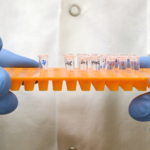
UV-Vis measures all molecules that absorb at 260 nm, while fluorescence assays mainly detect the target nucleic acid selected by the dye. Compare both values alongside A260/A280 and A260/A230 ratios to identify contamination, low-concentration measurement limits, or handling errors. Agreement between the methods indicates confidence in the sample results, while a consistent gap helps you decide whether to repurify, adjust input, or use a more sensitive method.






How-To Guides
Article Categories
- Analytical Chemistry & Chromatography Techniques
- Cells & Model Organisms
- Chemistry for Biologists
- Cloning & Expression
- DNA / RNA Manipulation & Analysis
- Flow Cytometry
- Genomics & Epigenetics
- Microscopy & Imaging
- PCR, qPCR & qRT-PCR
- Bioscience Mastery
- Basic Lab Skills & Know-how
- Career Development & Networking
- Dealing with Fellow Scientists
- Equipment Mastery & Hacks
- Getting Funded
- Lab Safety
- Lab Statistics & Math
- Organization & Productivity
