

Latest Events

Scaling Up Spatial Biology Analysis: From Many Markers to Many Datasets

Empower™ CDS Onboarding: How to Train New Users Effectively

Streamlined High Pressure Freezing for Cryo-ET: Waffle Method to Serial Lift-Out

See the Hidden at EMBL Imaging Centre: Fast and Gentle 3D Imaging Powered by Adv

Beyond Bulk RNA-seq: Revealing Cell-specific Gene Expression
On Demand Events


Latest Articles

iPSC Culture: How to Care for Induced Pluripotent Stem Cells
Effective iPSC culture depends on four essentials: choosing the right substrate, handling cells gently, limiting spontaneous differentiation, and maintaining strict quality control. Match substrate to endpoint, minimize temperature shifts and mechanical stress, remove differentiated cells to preserve purity, and run regular QC to confirm pluripotency and genomic stability. Consistent practice improves survival and reliable differentiation outcomes.
Latest Podcasts


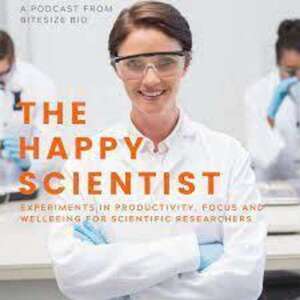

This article focuses on overcoming key challenges in the process of writing a scientific review paper, including selecting relevant papers and framing a clear hypothesis. It emphasizes creating a coherent narrative, organizing notes effectively, and designing clear figures to support your story. This practical guide will help you craft structured, insightful reviews that highlight gaps and connections in the literature.

AI-generated images pose new challenges to scientific integrity by creating realistic but fabricated data that traditional detection and peer-review methods may miss. Researchers must scrutinize published images, report anomalies objectively, and support post-publication review to maintain trust. This requires awareness of current tool limitations and the evolving risks of accessible generative technologies in bioscience research.

This guide explains how to choose and prepare Giant Unilamellar Vesicles by evaluating four key experimental constraints. It compares five main methods, highlighting suitability based on buffer composition, membrane asymmetry, encapsulation needs, and size uniformity. Understanding osmolarity, density, and method-specific risks helps avoid failures, ensuring reliable GUV formation tailored to your bioscience experiment.

Most Empower™ labs have trained their analysts and written their SOPs, but still see inconsistent workflows, recurring mistakes, and the same go-to experts fielding every unusual situation. The reason is almost always the same: what gets taught is where to click, not why decisions matter or how to troubleshoot when workflows break down. Here’s how you can build competence more effectively.
Microscopy & Imaging
Optical microscopy has always been restricted by the diffraction of light. Because conventional widefield and confocal microscopes cannot resolve structures substantially smaller than about 200nm laterally, they miss critical signaling compartments and nanoscopic organization. Newer super-resolution technologies, such as stimulated emission depletion (STED), structured illumination microscopy (SIM), and photoactivated localization microscopy (PALM), solve this problem…


DNA / RNA Manipulation & Analysis
Transcriptome–Methylome Integration often fails due to structural issues rather than biological absence. Key challenges include over-aggregation of CpG sites, variance mismatches, asymmetric data preprocessing, and inappropriate statistical models. Proper region mapping, variance assessment, covariate alignment, and cohort size evaluation are essential to detect true regulatory relationships. Addressing these factors before complex modeling improves interpretation and avoids false conclusions about methylation-expression associations.








How-To Guides
Article Categories
- Analytical Chemistry & Chromatography Techniques
- Cells & Model Organisms
- Chemistry for Biologists
- Cloning & Expression
- DNA / RNA Manipulation & Analysis
- Flow Cytometry
- Genomics & Epigenetics
- Microscopy & Imaging
- PCR, qPCR & qRT-PCR
- Bioscience Mastery
- Basic Lab Skills & Know-how
- Career Development & Networking
- Dealing with Fellow Scientists
- Equipment Mastery & Hacks
- Getting Funded
- Lab Safety
- Lab Statistics & Math
- Organization & Productivity
