

Latest Events

Data Review in Empower™ CDS – How to Build a GMP-Compliant Workflow

Making 3D Live Imaging Practical and Scalable with Viventis SCAPE

Plasma FIB Comes of Age: Expanding Volume EM & Cryo Workflows

Capturing Fast Biological Dynamics in Real Time with Viventis SCAPE

Automated Cell Counting and Pathology Mapping Across the Whole Brain

Simultaneous Human and Mouse Cytokine Profiling in Humanized Immune System Mouse

Reducing Lab Energy Waste: Real Steps, Real Savings
On Demand Events

Latest Articles

Buying Antibodies? Here’s Five Reproducibility Checks to Run Before You Purchase
When buying antibodies, it’s crucial to verify the true source and validation of the reagent rather than relying on brand names alone. In this article, I’ll explain how to check clone details, application-specific evidence, lot numbers, and supplier accountability to avoid costly failures and ensure better reproducibility.

Onboarding Empower™ Users is most effective when training focuses first on core terminology, compliance, and daily workflows using your lab’s real data. Teaching less initially builds a solid foundation, enabling quicker, confident analyst independence. Competence, not time, should guide when to expand training to advanced topics.

You don’t have the time to read every paper, so stop trying! Here’s how I decide whether a paper has earned my attention: I break-up the paper into sections, then evaluate the main claim, compare the discussion with the introduction, turn the results into closed questions, and, finally, critically assess the controls. Here’s how you can do the same.

If your drug discovery research keeps failing human trials, the issue may be your hypothesis. These questions will help you design a more clinically relevant study before running it. Drawing from my experience in optometry, basic research, and clinical work focused on infectious keratitis, I’ll share how you can make your research more translational.

Before running MDCK transport assays, don’t rely on visual confluency alone. A monolayer may look ready but still be leaky, leading to misleading permeability data. Validate MDCK monolayer integrity first, using TEER to assess electrical resistance and lucifer yellow passage to detect leakage between cells. Together, these checks help confirm whether each well is suitable for transport measurements before you invest time and valuable compounds in the assay.
Microscopy & Imaging
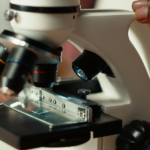
Optical microscopy has always been restricted by the diffraction of light. Because conventional widefield and confocal microscopes cannot resolve structures substantially smaller than about 200nm laterally, they miss critical signaling compartments and nanoscopic organization. Newer super-resolution technologies, such as stimulated emission depletion (STED), structured illumination microscopy (SIM), and photoactivated localization microscopy (PALM), solve this problem…


DNA / RNA Manipulation & Analysis
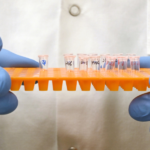
Transcriptome–Methylome Integration often fails due to structural issues rather than biological absence. Key challenges include over-aggregation of CpG sites, variance mismatches, asymmetric data preprocessing, and inappropriate statistical models. Proper region mapping, variance assessment, covariate alignment, and cohort size evaluation are essential to detect true regulatory relationships. Addressing these factors before complex modeling improves interpretation and avoids false conclusions about methylation-expression associations.








How-To Guides
Article Categories
- Analytical Chemistry & Chromatography Techniques
- Cells & Model Organisms
- Chemistry for Biologists
- Cloning & Expression
- DNA / RNA Manipulation & Analysis
- Flow Cytometry
- Genomics & Epigenetics
- Microscopy & Imaging
- PCR, qPCR & qRT-PCR
- Bioscience Mastery
- Basic Lab Skills & Know-how
- Career Development & Networking
- Dealing with Fellow Scientists
- Equipment Mastery & Hacks
- Getting Funded
- Lab Safety
- Lab Statistics & Math
- Organization & Productivity
