

Latest Events

A DNA-Based Toolkit for Spatial Molecular Analysis

From the Field: Building a Culture of Lab Sustainability at Penn State

Scoring Disease Risk with miRNA: Insights from Type 1 Diabetes

When the Job Stops Fitting: Mid-career Pressure, Change, and Getting Back to You
On Demand Events
Career by Design, Not by Default: Lessons from 20 Years in Life Sciences

Unmasking Extramedullary Multiple Myeloma

Simultaneous Human and Mouse Cytokine Profiling in Humanized Immune System Mouse

Automated Cell Counting and Pathology Mapping Across the Whole Brain
Latest Articles

The History of “Suicide PCR” and How it is Used Today
Suicide PCR was built for one purpose: stopping PCR carryover contamination from faking a positive in ancient DNA work. It identified Yersinia pestis in medieval plague burials and still teaches a useful lesson about experimental design. But is it a technique you would reach for today? Here’s our take on whether it’s still a useful methodology.

A chromatogram in a report and a chromatogram in Empower™ look identical, but only one can be interrogated. This article outlines four placement decisions for your critical review items, plus how to build the list, document the workflow, and test whether it actually detects anything.
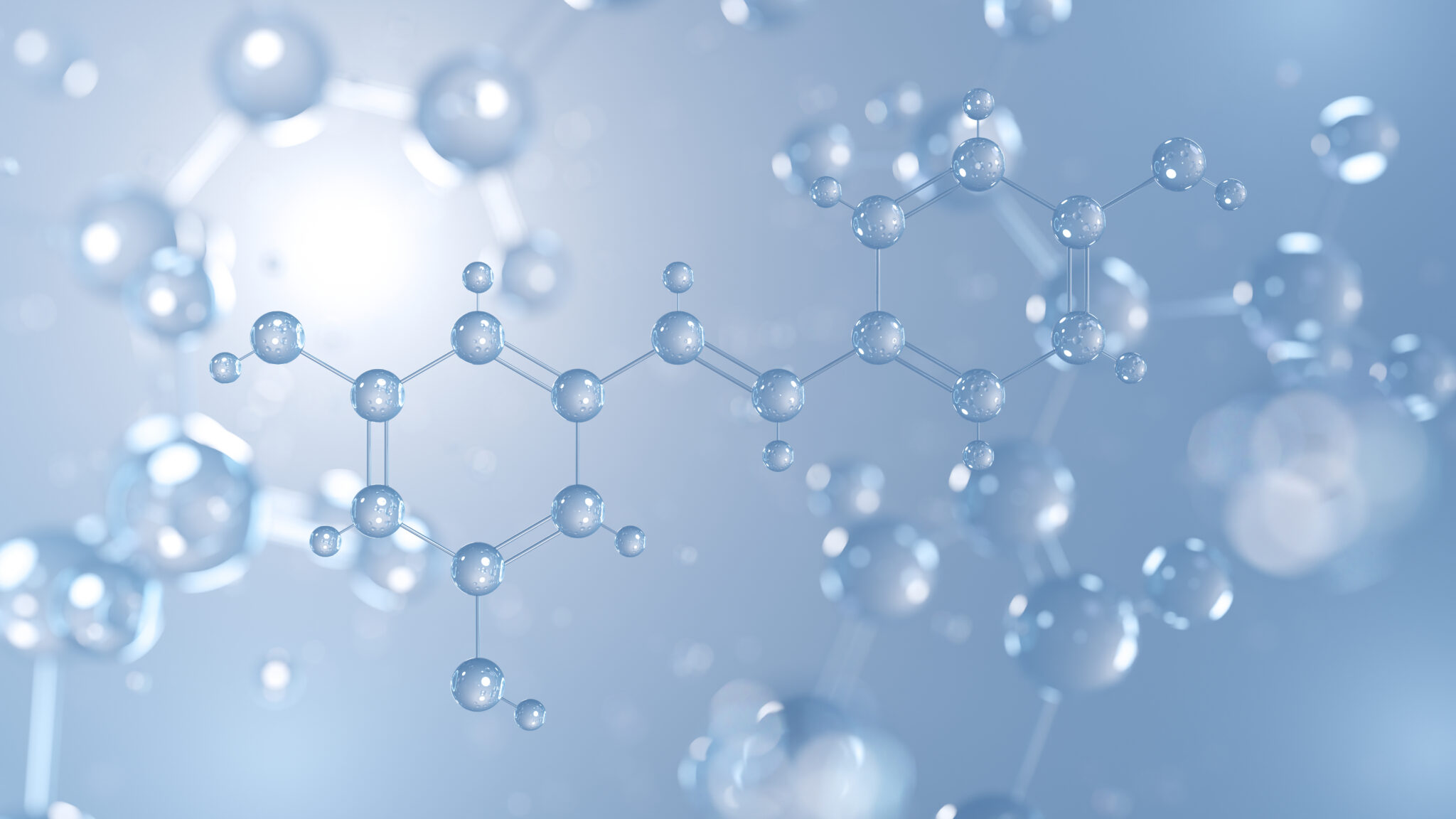
PCR inhibition can hide behind apparently acceptable QC results, especially in polyphenolic-rich samples like soil, wastewater, plant, and fecal extracts. Partial inhibition may delay Ct values, reduce sensitivity, and cause false negatives without complete reaction failure. Dilution testing can reveal inhibition, but targeted inhibitor removal is often needed to preserve low-abundance targets.

Experiments that never seem to end often start with questions that are too open-ended. Learn how to adapt SMART goals to your experimental design, define clear metrics and endpoints, and build research questions that give your work direction, make results easier to interpret, and help your studies reach a meaningful conclusion.

Stem cell differentiation is central to disease modelling, drug discovery, and developmental research. Learn how differentiation works, how to choose the right culture system, support your cells through lineage commitment, and confirm that differentiation has succeeded. We’ll cover key considerations for different models and downstream applications.
Microscopy & Imaging
Optical microscopy has always been restricted by the diffraction of light. Because conventional widefield and confocal microscopes cannot resolve structures substantially smaller than about 200nm laterally, they miss critical signaling compartments and nanoscopic organization. Newer super-resolution technologies, such as stimulated emission depletion (STED), structured illumination microscopy (SIM), and photoactivated localization microscopy (PALM), solve this problem…

DNA / RNA Manipulation & Analysis
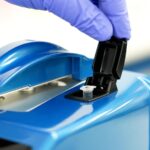
UV-Vis measures all molecules that absorb at 260 nm, while fluorescence assays mainly detect the target nucleic acid selected by the dye. Compare both values alongside A260/A280 and A260/A230 ratios to identify contamination, low-concentration measurement limits, or handling errors. Agreement between the methods indicates confidence in the sample results, while a consistent gap helps you decide whether to repurify, adjust input, or use a more sensitive method.






How-To Guides
Article Categories
- Analytical Chemistry & Chromatography Techniques
- Cells & Model Organisms
- Chemistry for Biologists
- Cloning & Expression
- DNA / RNA Manipulation & Analysis
- Flow Cytometry
- Genomics & Epigenetics
- Microscopy & Imaging
- PCR, qPCR & qRT-PCR
- Bioscience Mastery
- Basic Lab Skills & Know-how
- Career Development & Networking
- Dealing with Fellow Scientists
- Equipment Mastery & Hacks
- Getting Funded
- Lab Safety
- Lab Statistics & Math
- Organization & Productivity
