

Latest Events

Organoid Meet-up: Methods in Organoid Development

Capturing Fast Biological Dynamics in Real Time with Viventis SCAPE

Automated Cell Counting and Pathology Mapping Across the Whole Brain

Simultaneous Human and Mouse Cytokine Profiling in Humanized Immune System Mouse

Career by Design, Not by Default: Lessons from 20 Years in Life Sciences

The Versatility of Advanced Confocal Microscopy for Complex Biological Samples

Reducing Lab Energy Waste: Real Steps, Real Savings

A DNA-Based Toolkit for Spatial Molecular Analysis
Latest Articles

How To Make Better Procurement Records for Your Lab
Learn how to create clear procurement records that track what was ordered, what arrived, the documentation included, and any problems encountered. These six simple steps will help you stay organized in the lab and reduce the need for you to rely on memory alone.

UV-Vis measures all molecules that absorb at 260 nm, while fluorescence assays mainly detect the target nucleic acid selected by the dye. Compare both values alongside A260/A280 and A260/A230 ratios to identify contamination, low-concentration measurement limits, or handling errors. Agreement between the methods indicates confidence in the sample results, while a consistent gap helps you decide whether to repurify, adjust input, or use a more sensitive method.

Preparing a manuscript involves plenty of work beyond writing: author lists, affiliations, disclosures, funding statements, references, and figure preparation. This post covers the tools I use to handle that admin, why I choose them over AI, and how they help. If you’re first author on a multi-author paper, this is for you.

You’ve moved your cells into serum-free medium…and they look sparse and sad. Whatever pushed you to drop fetal bovine serum the temptation now is to blame the medium and start reformulating. But before you spend any more of your precious grant money, read this article.

When buying antibodies, it’s crucial to verify the true source and validation of the reagent rather than relying on brand names alone. In this article, I’ll explain how to check clone details, application-specific evidence, lot numbers, and supplier accountability to avoid costly failures and ensure better reproducibility.
Microscopy & Imaging
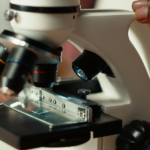
Optical microscopy has always been restricted by the diffraction of light. Because conventional widefield and confocal microscopes cannot resolve structures substantially smaller than about 200nm laterally, they miss critical signaling compartments and nanoscopic organization. Newer super-resolution technologies, such as stimulated emission depletion (STED), structured illumination microscopy (SIM), and photoactivated localization microscopy (PALM), solve this problem…

DNA / RNA Manipulation & Analysis
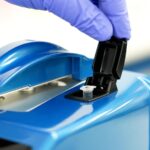
UV-Vis measures all molecules that absorb at 260 nm, while fluorescence assays mainly detect the target nucleic acid selected by the dye. Compare both values alongside A260/A280 and A260/A230 ratios to identify contamination, low-concentration measurement limits, or handling errors. Agreement between the methods indicates confidence in the sample results, while a consistent gap helps you decide whether to repurify, adjust input, or use a more sensitive method.







How-To Guides
Article Categories
- Analytical Chemistry & Chromatography Techniques
- Cells & Model Organisms
- Chemistry for Biologists
- Cloning & Expression
- DNA / RNA Manipulation & Analysis
- Flow Cytometry
- Genomics & Epigenetics
- Microscopy & Imaging
- PCR, qPCR & qRT-PCR
- Bioscience Mastery
- Basic Lab Skills & Know-how
- Career Development & Networking
- Dealing with Fellow Scientists
- Equipment Mastery & Hacks
- Getting Funded
- Lab Safety
- Lab Statistics & Math
- Organization & Productivity
