

4 Easy Steps to Analyze Your qPCR Data Using Double Delta Ct Analysis
New to qPCR? Here’s a quick summary of one of the two most common analysis methods – double delta Ct analysis.
Join Us
Sign up for our feature-packed newsletter today to ensure you get the latest expert help and advice to level up your lab work.
Search below to delve into the Bitesize Bio archive. Here, you’ll find over two decades of the best articles, live events, podcasts, and resources, created by real experts and passionate mentors, to help you improve as a bioscientist. Whether you’re looking to learn something new or dig deep into a topic, you’ll find trustworthy, human-crafted content that’s ready to inspire and guide you.

New to qPCR? Here’s a quick summary of one of the two most common analysis methods – double delta Ct analysis.
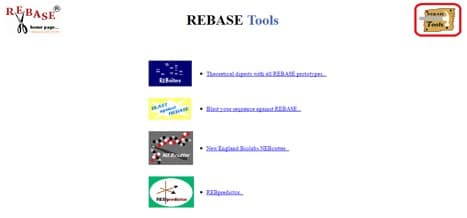
Two years ago, all I knew was third BASE in my baseball field and the cutter ball from the pitcher. Now, I know a lot more about lab-based BASES and cutters: REBASE and NEBcutter. While they sound like baseball terms, REBASE and NEBcutter are tools for working with restriction enzymes. Read on to find out…

This guide on qPCR for dummies explains the key differences between qPCR and traditional PCR, emphasizing the importance of controls, plate design, and DNA preparation. It covers planning your experiment, setting up triplicates, and managing data to ensure accurate and reliable results. With practical tips on dilution and data handling, this article helps beginners confidently prepare for their first qPCR experiment.

When restrictions come in the form of paperwork and approvals, we detest them. Whereas, when the restrictions come in the form of enzymes, we love them, don’t we? Restriction enzymes play a key role in biotechnology research. Read ahead for six useful facts about restriction enzymes. 1. Restriction enzymes are helpful to bacteria Restriction enzymes…

The eBook with top tips from our Researcher community.