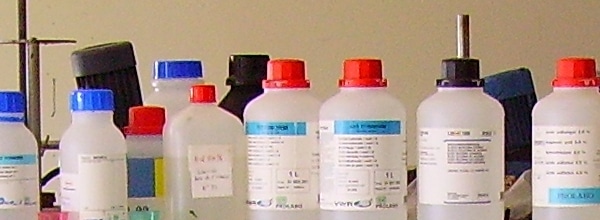
Most of us hate cleaning and are often hard pressed to find time to clean our homes, never mind our laboratory space.
However, an annual spring clean and maintenance of a regular cleaning rota/regime will contribute to an efficient, organized and harmonious lab environment. This is increasingly important in communal lab spaces where multiple staff share bench space.
Not long after I started my PhD, our new lab manager organised a spring clean of our labs within our research center. We all booked a day free of experiments and rolled up our sleeves.
A similar spring clean hadn’t been done for years and we uncovered a mountain of paper, reagents years beyond their expiration date, numerous unlabelled experimental samples and an enormous amount of dirty glassware containing old PBS or immunohistochemistry stains. This was a result of years of a lack of annual/monthly cleaning and inadequate handovers when students and staff came to the end of their contracts.
Choose a free resource to help you move forward
Checklist
Daily Lab Checklist
Checklist
Research-Material Procurement Checklist
The following are a few tips I garnered to help you keep on top of things throughout the year and avoid having to do marathon spring cleans:
- Set up rotas for regular cleaning of tissue culture hoods and incubators, water baths, pipettes and for more general items like emptying the bins, etc.
- Defrost your freezers any time there is build-up of ice. This will give you an opportunity to free up space and discard expired or unnecessary reagents. Be ruthless!
- Have rigorous protocols for decontaminating specialist work areas or labs for when the need arises e.g. dedicated PCR space.
- Ensure new staff are thoroughly trained in existing procedures and organize refreshers for existing staff.
- When staff leave, organize an exit interview whereby they run through an inventory of samples and reagents they feel are necessary to leave with the lab for continuation of their project. Agree to an appropriate time-frame for storage and when they are happy for them to be discarded.
If you feel things have got out of hand and you do need to perform a spring clean be organized and have a clear plan:
- Agree on a date for everyone to book time off from lab work.
- Draw up a list of tasks to assign to individuals, e.g. put someone in charge of glassware and loading the dishwasher.
- Be clear on what should and shouldn’t be thrown out.
- Dispose of lab chemicals appropriately. If you don’t know the proper disposal procedure for a chemical, get advice from the relevant person within your university or institute.
- Organize a treat for everyone at the end of the day: coffee and cake always go down well!
You made it to the end—nice work! If you’re the kind of scientist who likes figuring things out without wasting half a day on trial and error, you’ll love our newsletter. Get 3 quick reads a week, packed with hard-won lab wisdom. Join FREE here.